Projects

Current and recent research projects I lead or contribute to. For the papers that came out of them, see my publications.

TACT: Total Communication Technologies

Funding
UKRI Future Leaders Fellowship
Partners
Microsoft Research, Tobii Dynavox, Transport for London, Hidden Disabilities, Aphasia Re-Connect, Dyscover, Speech and Language UK and SayAphasia, with City St George’s, University of London
Dates
2025 – present
My role
Principal Investigator

TACT re-imagines technology-mediated communication through the lens of people with communication disabilities. Rather than focusing only on speech, it supports total communication – verbal and non-verbal – across assistive technologies and everyday platforms such as videoconferencing. Working with people with aphasia and young people with speech and language needs as co-designers, we are exploring the potential and the risks of AI, and the role of discreet, wearable devices such as smartwatches and smart glasses.
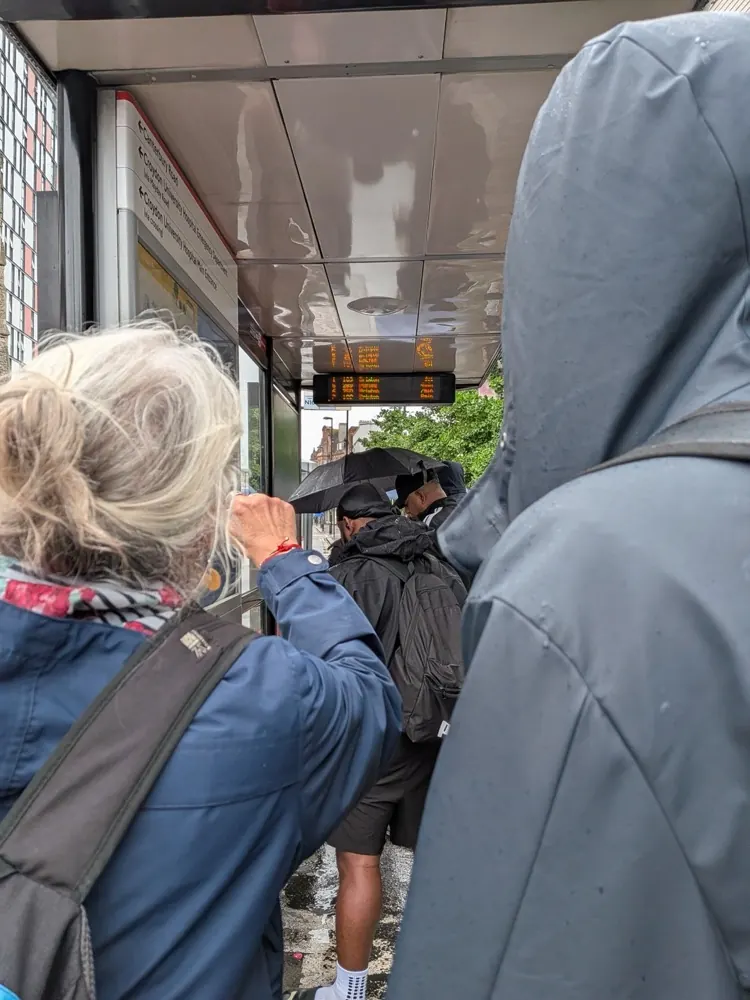

People queuing at a rainy London bus stop beneath a digital board showing bus arrival times.

CA11y: Content Accessibility

Funding
EPSRC New Investigator Award
Partners
BBC Research & Development, Dyscover and Aphasia Re-Connect, with City St George’s, University of London
Dates
2023 – 2026
My role
Principal Investigator

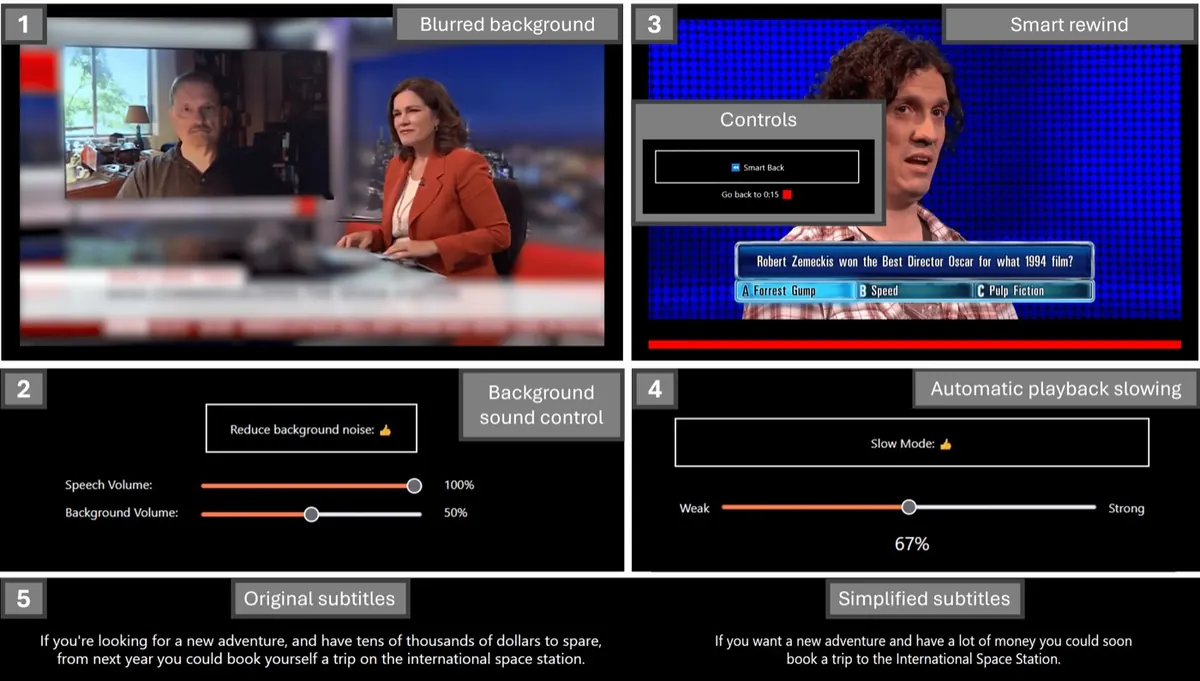
CA11y explored how digital media – television, video, radio and podcasts – can adapt to each person’s needs. Working closely with people with aphasia, we co-designed and tested highly individualised accessibility features, from blurred backgrounds and background-sound control to smart rewind, automatic slowing and simplified subtitles.

Five accessibility features shown on television stills: a blurred background behind a newsreader, a background sound control, a smart rewind button, an automatic playback slowing slider, and original subtitles beside a simplified version.

AdvoKit: An Aphasia-Led Toolkit for Navigating Public Services

Funding
EPSRC Include+
Partners
Aphasia Re-Connect
Dates
2025 – 2026
My role
Co-Principal Investigator

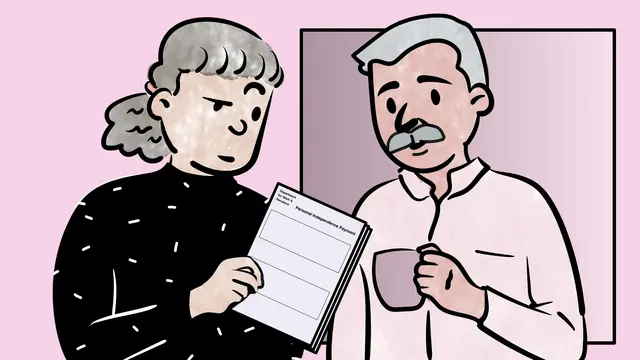
Applying for disability benefits such as Personal Independence Payment is hard for anyone, and harder still with aphasia. AdvoKit is a toolkit made with and by people with aphasia that guides people through the process: where to start, what to expect, filling in forms, assessments and appeals, alongside real stories and tips from people who have been through it.

Illustration of two older people reading a Personal Independence Payment form together, one holding a mug.

TIBBL: Tangible Inclusive Block-Based Language

Funding
King’s Digital Futures Institute Fellowship and the School of Education, Communication and Society, King’s College London, with support from King’s Digital Lab
Dates
2024 – present
My role
Co-Investigator/Co-PI

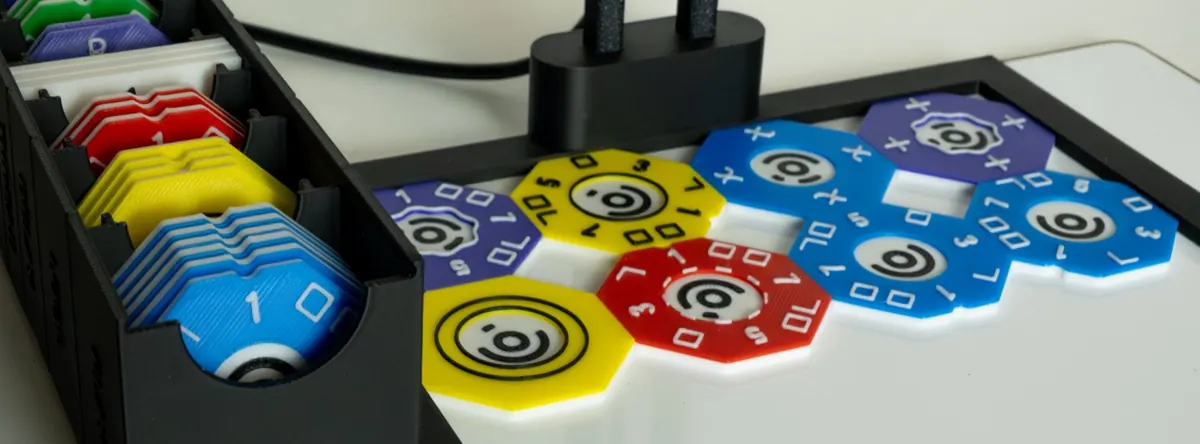
TIBBL widens access to programming for learners who are blind or visually impaired. Instead of dragging blocks on a screen, learners build programs from physical tiles with raised symbols and bold, high-contrast colours, so that coding can be explored by touch as well as by sight.

Colourful octagonal programming tiles with raised symbols arranged on a white board, next to a tray of spare tiles.

EquIPS: Equitable and Inclusive Patient and Public Involvement in Stroke Research

Funding
NIHR Programme Development Grant
Dates
2024 – 2026
My role
Co-Investigator

Patient and public involvement in stroke research tends to hear mostly from people with milder impairments who can attend and speak at meetings. EquIPS develops and tests inclusive methods and tools so that stroke survivors with a wide range of impairments, including severe communication difficulties, can help shape research.

Improving the Lives of Stroke Survivors with Data

Funding
National Institute for Health and Care Research (NIHR)
Partners
Guy’s and St Thomas’ NHS Foundation Trust, the University of Oxford and NIHR ARC South London
Dates
2022 – present
My role
Collaborator

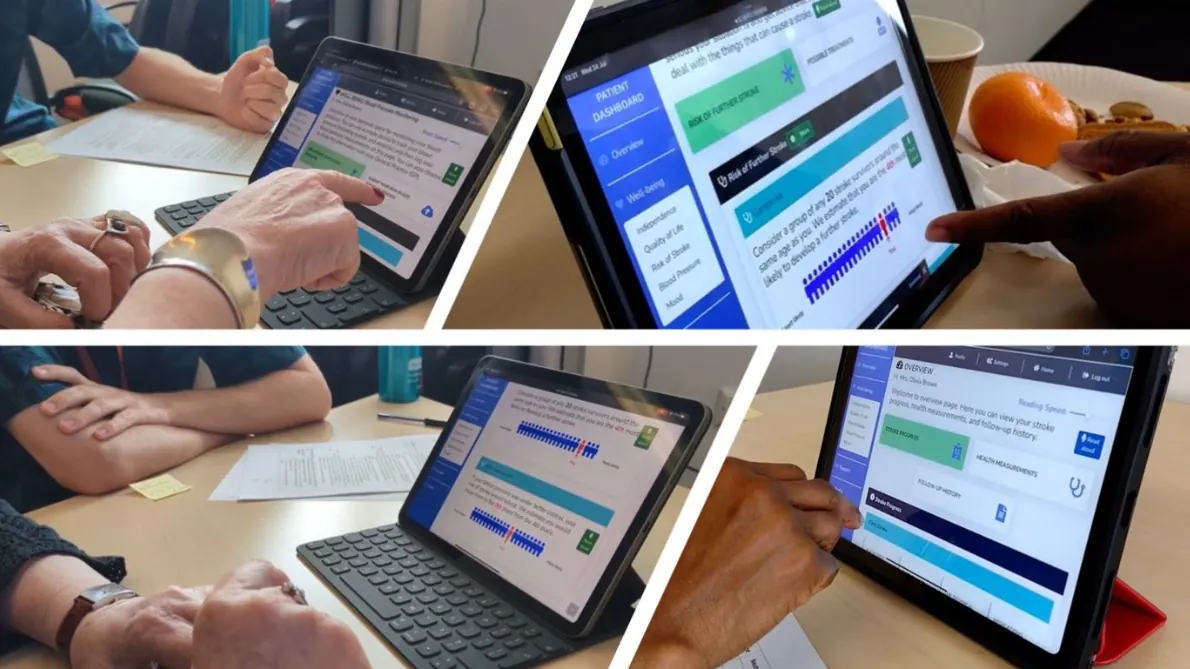
This five-year programme builds on the South London Stroke Register, which has followed stroke survivors in south London since 1995, to improve care through better use of data. Our part co-designs an accessible patient portal that helps stroke survivors see, understand and act on their own health information.

Four photos of stroke survivors using a patient portal on tablets during a workshop, pointing at screens showing their overview and risk of further stroke.